Get Online consultation with 3 Easy Process
- Pay Consultation Fee (RS.1000) by using QR Code
- Send payment screenshot on whats app: +91 9910873175
- After Verifying Your Payment, We Will connect you with doctor



If you and your partner are having trouble conceiving, infertility tests in Noida can help find out why. These tests are part of the first step in Infertility treatment and can identify possible reasons for the issue. A typical reproductive evaluation includes physical examinations, plus the sexual and medical histories of both partners. For men, the focus is usually on sperm count, motility, and structure. For women, doctors first observe ovulation to confirm whether it is happening regularly. This can be tracked using an ovulation home test kit, ultrasound examinations of the ovaries, or hormone-detection blood tests.
Testing also helps doctors decide what to do next. Sometimes the issue is simple and treatable with medication or lifestyle changes. Other times, it may need a procedure or assisted reproduction. That’s why couples often prefer starting at a facility like the Best IVF centre in Noida for complete evaluation and planning.
A thorough history is taken prior to the physical examination to:
Various physical examinations are conducted during female infertility testing to check for hormonal issues and evaluate the pelvic organs. This is where clear guidance matters, because not every person needs every test. Many couples choose to review the plan with the best infertility doctor in Noida so the right investigations are selected based on symptoms, age, and history (and nothing feels random or rushed).
Below are some of the tests conducted:
1. Pap Smear –
A Pap smear may be performed to look for abnormal cells around the cervix. This test can also help detect infections and cervix-related issues.
2. Urine Test –
Your physician may advise a luteinizing hormone (LH) urine test at home. LH rises in high concentrations just before ovulation.
3. Blood Test –
A blood test may measure follicle-stimulating hormone (FSH), which supports egg development each month. Additionally, your physician may advise testing anti-müllerian hormone (AMH). AMH levels can provide insight into ovarian function, and extremely low levels may suggest a reduced ovarian reserve.
4. Postcoital Testing –
After intercourse, your doctor inspects the cervical mucus to understand how it supports sperm movement.
5. Hysterosalpingogram (HSG) –
Also called a “tubogram,” this test is often advised by the best infertility doctor in Noida to check the uterus and fallopian tubes using X-rays. A dye is gently passed through the vagina before imaging. In some cases, saline and air with ultrasound may be used as an alternative approach.
6. Hysteroscopy –
A thin, flexible tube with a camera is inserted through the cervix into the uterus. This helps identify concerns inside the uterus, and tissue samples can be collected if needed.
7. Transvaginal Ultrasound –
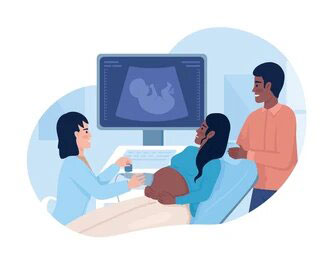
An ultrasound wand is inserted into the vagina and moved toward the pelvic organs. Sound waves create images of the uterus and ovaries to check for concerns. Progesterone levels may also be checked, because a rise in progesterone can indicate ovulation.
8. Biopsy –
Your doctor may suggest an endometrial biopsy to test a tissue sample from the uterine lining.
These tests might not all be necessary for everyone. The best infertility doctor in Delhi will suggest only the most relevant ones based on your situation. About 85% of couples gain some clarity on possible reasons for difficulty conceiving after completing the testing process.


A proper infertility plan depends heavily on evaluating the male partner too. Male fertility workups typically include medical history, a physical examination, basic hormone testing, and lab investigations. A detailed history helps to:
Key examinations and tests include:
1. Urinalysis –
This checks for urinary infections.
2. Semen Analysis –
This assesses sperm count, motility, and morphology. A typical sperm count is often described as at least 20 million sperm per milliliter. Motility is the percentage of sperm that can swim effectively, and morphology reviews how sperm look and whether their structure appears normal based on defined criteria.
3. Hormonal tests –
These measure testosterone and FSH to evaluate hormonal balance and the stage of sperm production. If needed, you can search for infertility doctors near me who may also advise tests for prolactin and luteinizing hormone.
4. Genetic Testing –
In some cases of very low sperm concentration, genetic factors may play a role. A blood test can check for Y chromosome changes that may contribute to male infertility, and genetic testing can also support diagnosis of hereditary conditions.
5. Ultrasonography –
A scrotal ultrasound helps check for blockages, varicocele, or other concerns in supporting reproductive structures.
After the diagnostic assessment is complete, the doctor decides the best next step. This may involve surgery, medication, endocrinologic therapy, or using processed sperm for conception. Some couples also explore consultations across nearby regions like meeting the best infertility doctor in Delhi if travel and follow-up feel manageable for them.
If you want to start a family or expand your existing one, infertility concerns can feel stressful and emotionally heavy. It can affect confidence, relationships, and day-to-day peace of mind. The good news is that testing often brings structure to the situation. Instead of guessing, you have reports, timelines, and a clearer path forward. For people who have been typing Infertility doctors near me online, it usually helps to begin with the tests first, then choose a specialist who explains the reports clearly and gives a realistic plan.
1. How fertility test is done?
For women, it includes blood tests, ultrasounds, and ovulation checks. For men, it usually involves a semen analysis.
2. When is fertility test done?
After 1 year of trying to conceive (or 6 months if over 35), or earlier if there are known issues.
3. How do I prepare for a fertility test?
Follow your doctor’s instructions. You may need to time tests with your cycle or abstain from ejaculation before a semen test.
4. Are there any signs of not being fertile?
Irregular periods, hormonal changes, or sexual dysfunction can be signs, but many people have no obvious symptoms.
5. Is a fertility test painful?
Most tests are not painful. Some may cause mild discomfort, like cramping during certain procedures.
 Book An Appointment