Get Online consultation with 3 Easy Process
- Pay Consultation Fee (RS.1000) by using QR Code
- Send payment screenshot on whats app: +91 9910873175
- After Verifying Your Payment, We Will connect you with doctor

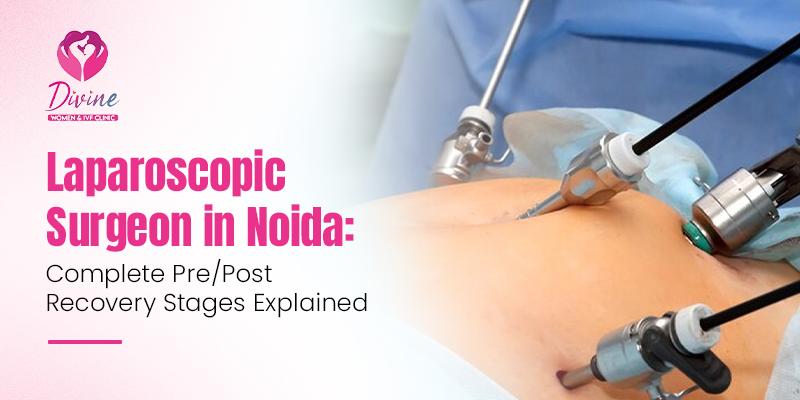
Table of Contents
Why do recovery timelines vary from patient to patient in laparoscopic surgery, and what actually happens before and after the procedure? Many individuals preparing for surgery focus only on the procedure itself. However, the real outcome often depends on how well the body is prepared before surgery and how recovery progresses afterwards.
With over 70% of abdominal procedures now performed through laparoscopic techniques, hospitals increasingly prefer this minimally invasive approach because it reduces hospital stays, limits tissue damage, and supports faster healing.
Recovery actually begins before the procedure with careful medical preparation and continues through structured post-operative care.
A qualified laparoscopic surgeon in Noida follows a clearly defined recovery pathway designed to protect internal healing and ensure the body returns safely to normal function.
Before surgery even begins, doctors focus on stabilising the body so the procedure proceeds smoothly and recovery starts early.
The first stage involves a detailed diagnostic evaluation. In this stage, specialists typically recommend:
For example, if laparoscopic gallbladder removal is planned, imaging helps surgeons confirm the presence of gallstones, the degree of inflammation, and the bile duct condition. This preparation stage ensures the surgical team avoids complications during the procedure.
In the next step, the anaesthesia team reviews your previous surgical history and any allergies to medications or respiratory conditions such as asthma. Patients usually fast for 6–8 hours before surgery. This reduces the risk of aspiration during anaesthesia.
These steps may appear simple, but they significantly influence surgical safety.
After surgery, recovery begins almost immediately in the observation unit. During this stage, doctors closely monitor blood pressure and oxygen levels, pain around incision sites, and early signs of nausea or anaesthesia reactions.
Most laparoscopic procedures use three to four small incisions of around 0.5–1 cm, which reduces tissue trauma compared to open surgery.
Patients usually start sitting up within 4 to 6 hours of surgery and begin light walking on the same day. Early movement reduces the risk of blood clots and improves circulation.
Also Read – Why Doctors Prefer Laparoscopic Surgery Over Open Surgery?
Understanding how recovery progresses helps patients avoid unnecessary anxiety. The healing process follows a predictable pattern.
| Recovery Stage | Body Changes | Patient Experience |
| Day 1 | Anaesthesia wears off, mild incision discomfort | Light walking possible |
| Day 2–3 | Digestion restarts, swelling reduces | Soft meals begin |
| Day 4–7 | Internal healing progresses | Most daily tasks resume |
| Week 2 | Incisions close, inflammation settles | Stitch removal if needed |
| Week 3–4 | Internal healing largely completes | Normal routine allowed |
A well-trained laparoscopic surgeon in Noida monitors these stages through follow-up consultations to ensure healing progresses normally.
Recovery after laparoscopic surgery follows a gradual and structured healing process rather than an immediate return to normal activity.
Understanding how the body progresses week by week helps patients recognise normal healing signs and follow the correct precautions during each stage.
Patients are encouraged to walk slowly but to avoid lifting objects weighing more than 3–4 kilograms. This protects the internal sutures from strain.
At this stage, swelling reduces significantly. Surgeons usually review incision sites to confirm there are no signs of infection or fluid collection.
Most patients return to work during this phase, depending on the procedure performed. Abdominal muscles regain strength, and digestive function stabilises.
The guidance of an experienced laparoscopic surgeon in Noida ensures patients follow the correct recovery protocol without risking complications.
Laparoscopic surgery offers faster healing and smaller scars, but recovery still follows a precise medical pathway. From diagnostic preparation and anaesthesia planning to the first post-surgery movement, every stage plays an important role in safe healing.
Patients planning laparoscopic treatment should always consult a specialist who provides structured guidance across these stages. For consultation and guidance on laparoscopic procedures, schedule an appointment with Dr. Mandavi Rai in Noida and receive expert support throughout your recovery journey.
Most patients recover within 2–4 weeks, depending on the type of surgery.
2. Is laparoscopic surgery painful after the procedure?
Pain is usually mild and controlled with medication for a few days.
3. When can normal eating start after surgery?
Light meals generally begin within 24 hours after surgery.
4. Are scars visible after laparoscopic surgery?
Incisions are very small and typically fade significantly within a few months.
Also Read: IVF Facts vs Myths: A Comprehensive Guide
 Book An Appointment