Get Online consultation with 3 Easy Process
- Pay Consultation Fee (RS.1000) by using QR Code
- Send payment screenshot on whats app: +91 9910873175
- After Verifying Your Payment, We Will connect you with doctor

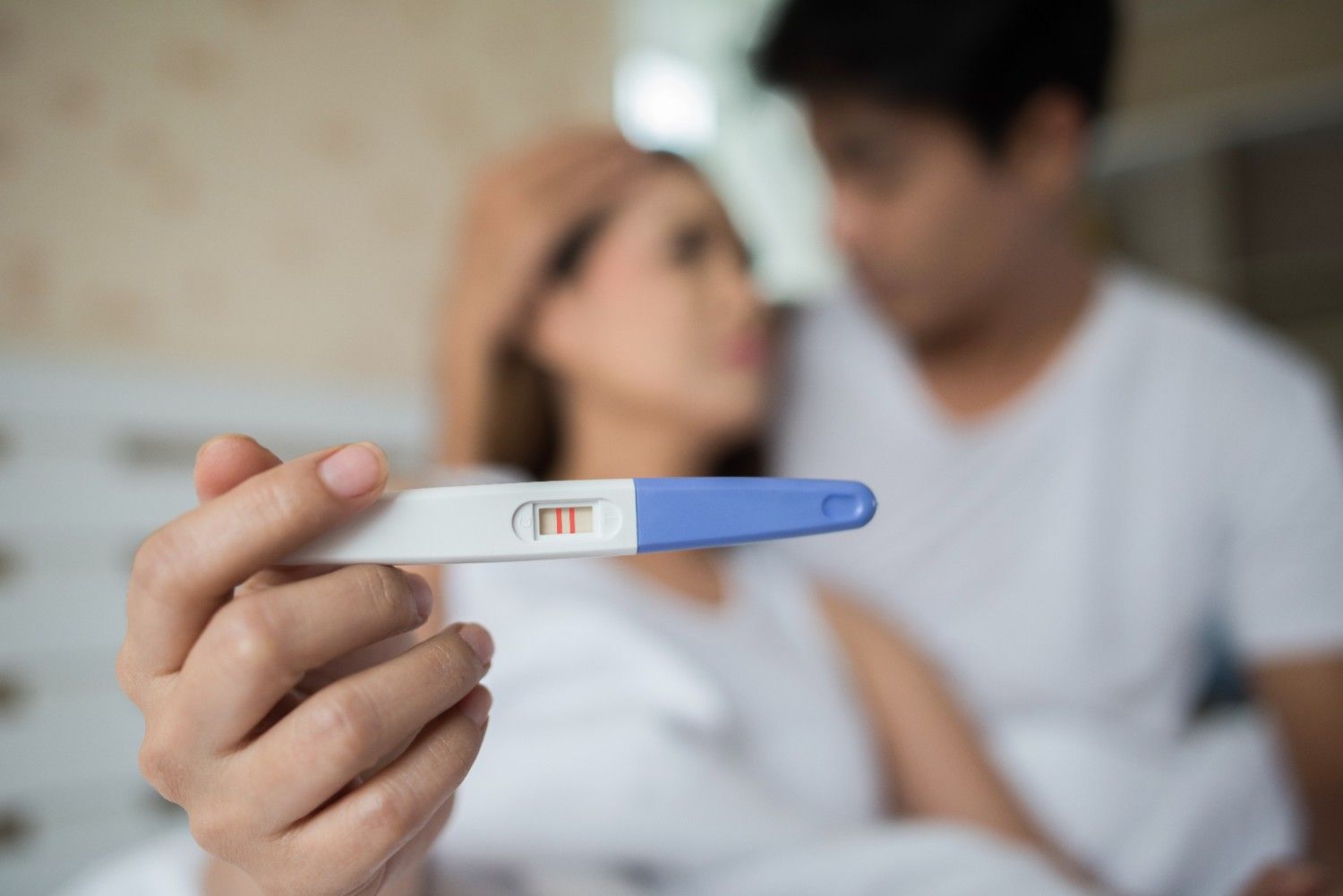
Trying to conceive can be an exciting, yet sometimes a stressful journey. For couples struggling with infertility, it is important to understand every aspect of reproductive health. A test that plays an important role in evaluation of female fertility is the HSG test. If you are planning a pregnancy, an HSG test can provide valuable insight about your reproductive system and help your reproductive experts to make an effective treatment plan. Dr. Mandvi Rai IVF expert, We emphasize the importance of HSG testing as part of a kind-hearted reproduction evaluation.
HSG stands for Hysterosalpingography, a special X-ray process that examines the uterus and fallopian tubes. During testing, a contrast dye is introduced in the uterus and fallopian tubes, allowing the doctor to observe the size, structure and patience (openness) of these organs on X-ray images.
HSG testing is mainly used to identify potential issues that can prevent conception, such as blockage, uterine abnormalities or scars tissues.
Fallopian tube detects blockage
Blocked fallopian tubes are one of the major causes of female infertility. An HSG test can quickly identify if your tubes are open, your reproductive experts help determine whether intervention such as IVF is required.
Evaluate uterine design
The shape and size of the uterus plays an important role in fetal implantation. HSG may detect structural abnormalities, fibroids, polyps, or congenital issues that may obstruct pregnancy.
The scar identifies tissue or adhesions
Conditions such as previous surgery, infection, or endometriosis can lead to scar tissue in the uterus or fallopian tubes. HSG helps in detecting these adhesions, so proper treatment can be planned.
Guides fertility treatment
HSG test results provide important information for reproductive remedies design. Whether it is timed intercourse, intrauterine insemination (IUI), or IVF, to know that your reproductive anatomy ensures a high probability of success in physiology.
HSG test is generally safe, but some patients may experience:
If you are trying to get pregnant, the HSG test is an essential clinical tool that provides important information about your reproductive system. By detecting problems, structural issues or unions. It helps your reproductive expert to plan a personal treatment. Which improves your ideal prospects.
For risk-free and accurate HSG testing, Dr. Mandvi Rai is a reliable breeding master in India. Those who provide expert support and kind care on the parentage journey to the parentage.
 Book An Appointment